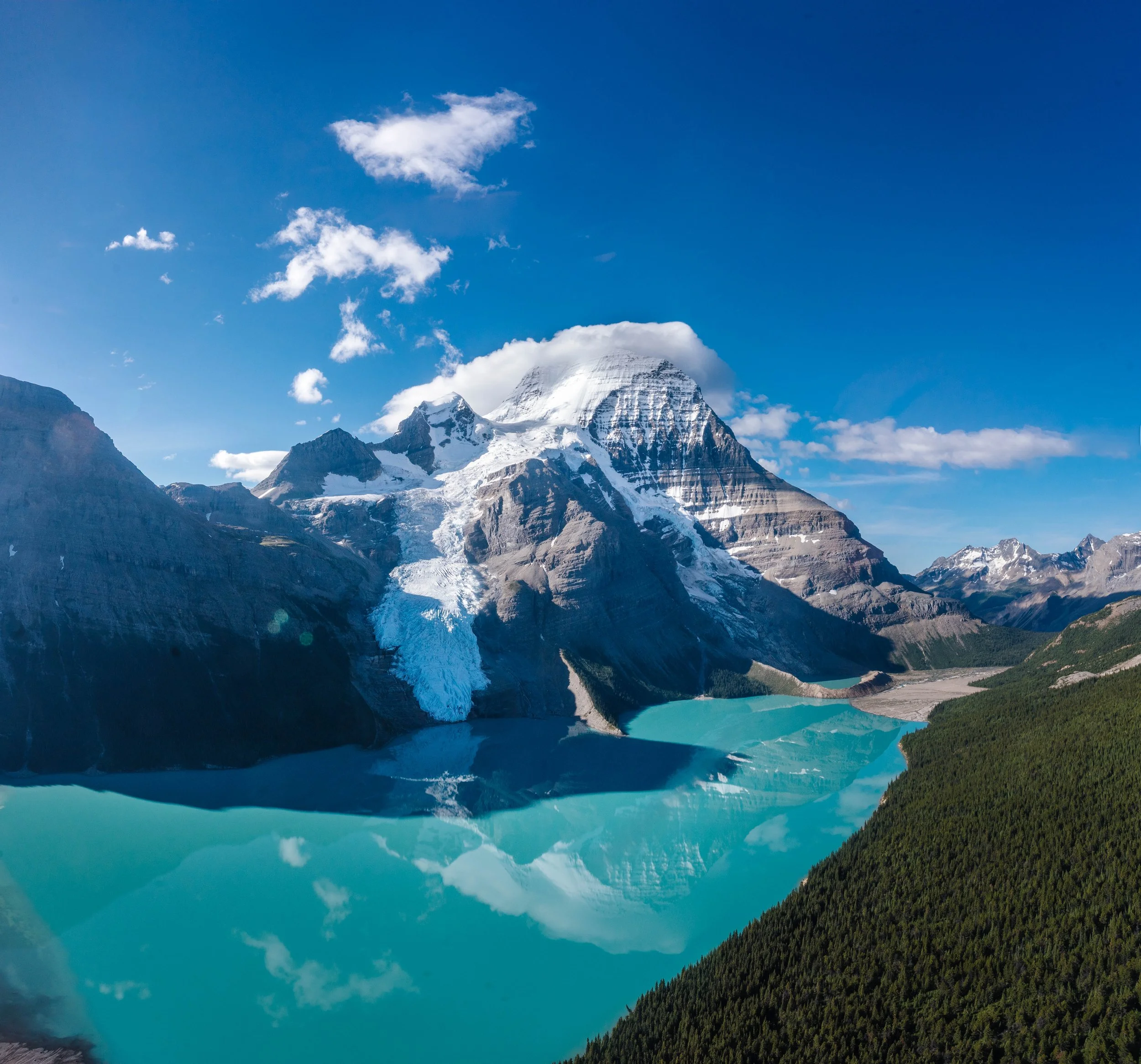
Since 2018, the Alpine Club of Canada has published the annual State of the Mountains Report. Of the nearly 80 articles published over the past 7 years, some 25% of them have dealt with aspects of the Canadian cryosphere. The cryosphere refers to areas with water in any of its frozen forms – ice, snow, glaciers, permafrost, and everything in between. 2025 is the United Nations International Year of Glaciers’ Preservation.
Read MoreSince 2018, the Alpine Club of Canada has published the annual State of the Mountains Report. Of the nearly 80 articles published over the past 7 years, some 25% of them have dealt with aspects of the Canadian cryosphere. The cryosphere refers to areas with water in any of its frozen forms – ice, snow, glaciers, permafrost, and everything in between. 2025 is the United Nations International Year of Glaciers’ Preservation.
Read MoreHow do we observe and analyze the change to our glaciers, and why are these changes important to us and our alpine environment?
Mike Demuth shows us trends and glacial recession that are hallmarks of climate change and what we can expect for the future.
Read MoreOutside of the ice sheets of Antarctica and Greenland, Canada has more glacier cover than any other nation — some 200,000 square kilometres. Professor Mike Demuth describes some of the seasonal and annual mass changes that are a direct result of weather and climate.
Read More